No Widget Added

Please add some widget in Offcanvs Sidebar

Shopping cart

Lumbar Radiculopathy

  • Home
  • Lumbar Radiculopathy

Lumbar Radiculopathy (Sciatic)Treatment

Expert Lumbar Radiculopathy Treatment to Relieve Sciatica and Lower Back Nerve Pain

Lumbar radiculopathy, often called a pinched nerve in the lower back, is a condition that causes pain, numbness, tingling, or weakness that travels from the lower spine into the buttocks, legs, or feet. At Maximum, our evidence-based rehabilitation programs focus on reducing pain, restoring movement, and preventing future flare-ups through personalized physical therapy and conservative care.

Whether your symptoms are caused by a herniated disc, spinal stenosis, or nerve compression, our experienced therapists create customized treatment plans that help you return to daily activities safely and confidently.

What Is Lumbar Radiculopathy?

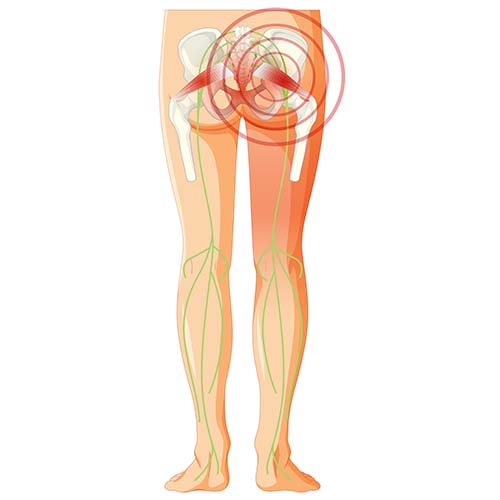
Lumbar radiculopathy occurs when one or more nerves in the lower spine become compressed, inflamed, or irritated. This pressure interferes with normal nerve function, causing pain that often travels from the lower back down into the leg. Because the sciatic nerve is frequently involved, lumbar radiculopathy is often referred to as sciatica.

Common symptoms include:

  • Sharp or burning lower back pain
  • Pain radiating down one or both legs
  • Numbness or tingling in the foot or leg
  • Muscle weakness
  • Difficulty standing or walking
  • Reduced flexibility and mobility

Early diagnosis and professional Lower Back Nerve Pain Treatment can help prevent worsening symptoms and improve long-term outcomes.

Common Causes of Back and Spine Pain

Several spinal conditions can lead to lumbar radiculopathy and persistent lower back pain.

01

Herniated Disc

A bulging or ruptured disc may press against nearby nerves, causing pain that radiates into the leg.

2

Degenerative Disc Disease

Age-related wear reduces disc height and increases pressure on spinal nerves.

3

Spinal Stenosis

Narrowing of the spinal canal compresses nerve roots and causes pain during standing or walking.

4

Bone Spurs

Extra bone growth around the spine may irritate nearby nerves.

5

Spondylolisthesis

When one vertebra slips over another, it may compress spinal nerves.

6

Poor Posture

Long-term poor posture increases spinal stress and contributes to nerve irritation.

7

Sports Injuries

Repetitive twisting, lifting, or impact injuries may damage spinal structures.

8

Occupational Strain

Heavy lifting and prolonged sitting can accelerate spinal degeneration and increase nerve compression.

Our Lumbar Radiculopathy Treatment Approach

At Maximum, we believe every patient deserves an individualized treatment plan based on the underlying cause of nerve compression. Our physical therapists perform a comprehensive evaluation, including posture assessment, movement analysis, strength testing, flexibility measurements, and neurological screening.

Your customized treatment plan may include:

  • Manual therapy to reduce joint stiffness
  • Nerve mobilization techniques
  • Targeted stretching exercises
  • Core stabilization programs
  • Strength training
  • Postural correction
  • Functional movement retraining
  • Home exercise education
  • Pain management strategies

Our goal is not only to relieve pain but also to restore normal movement, improve spinal stability, and reduce the risk of future episodes.

Benefits of Physical Therapy for Lumbar Radiculopathy

Several spinal conditions can lead to lumbar radiculopathy and persistent lower back pain.

01

Reduced Nerve Irritation

Relieves pressure on irritated nerves to ease radiating pain.

2

Improved Spinal Mobility

Restores healthy spinal movement for better daily function.

3

Better Flexibility

Increases muscle flexibility to reduce stiffness and tension.

4

Stronger Core Muscles

Builds core strength to support the spine and reduce strain.

5

Improved Posture

Corrects posture to reduce spinal stress and nerve pressure.

6

Reduced Inflammation

Helps decrease inflammation to support pain relief and healing.

7

Enhanced Balance & Coordination

Improves stability and coordination for safer movement daily.

8

Faster Recovery & Prevention

Speeds recovery while lowering the risk of future flare-ups.

Why Choose Maximum for Cervical Radiculopathy Treatment?

Although cervical and lumbar radiculopathy affect different parts of the spine, they require the same commitment to accurate diagnosis and personalized rehabilitation. Maximum provides patient-focused care built on clinical expertise and evidence-based treatment.

Why Patients Choose Us

At Maximum, we are committed to delivering personalized, evidence-based care that helps patients recover safely and regain their quality of life.

  • Experienced physical therapists
  • Personalized treatment plans
  • Evidence-based rehabilitation
  • Modern assessment techniques
  • One-on-one therapy sessions
  • Focus on long-term recovery
  • Patient education and self-management
  • Comfortable, supportive environment
  • Non-surgical treatment options
  • Goal-oriented rehabilitation programs

Our team works closely with every patient to improve function, reduce pain, restore mobility, and support lasting spinal health through personalized, evidence-based physical therapy.

ShapeTESTIMONIALS

See Why Patients Trust Us

Our Certified Therapists

Expert Therapists & Personalized Care

At Maximum Rehabilitation Services, we believe your recovery journey should never be a solo effort. Our certified physical therapists are dedicated to helping you regain strength, move without pain, and reclaim your confidence. We provide personalized care tailored specifically to your life—whether you’re recovering from an injury, managing chronic pain, or improving your everyday wellness. Using proven, evidence-based techniques, our expert team guides you through safe treatments for a faster recovery and lasting results. Experience compassionate, professional care with a team that truly puts your health first.

Vishakha Shah

Vishakha Shah

PT, DPT, Cert. MDT
Laura Novak

Laura Novak

PT, DPT, Cert. MDT

FAQs About Lumbar Radiculopathy

1. What is lumbar radiculopathy?

Lumbar radiculopathy is a condition where a nerve in the lower back becomes compressed or irritated, causing pain, numbness, tingling, or weakness that radiates into the leg.

Sciatica is a common symptom of lumbar radiculopathy. While sciatica describes pain along the sciatic nerve, lumbar radiculopathy refers to compression of the nerve root causing those symptoms.

Yes. Physical therapy is often the first recommended treatment because it reduces pain, improves mobility, strengthens supporting muscles, and helps prevent recurring symptoms.

Recovery depends on the severity of nerve compression and individual health. Many patients notice improvement within 4 to 8 weeks with consistent physical therapy.

Common causes include herniated discs, spinal stenosis, degenerative disc disease, bone spurs, spinal arthritis, sports injuries, and age-related spinal changes.

Get Expert Lumbar Radiculopathy (Sciatica) Therapy

If you’re struggling with lower back pain, leg numbness, or tingling sensations, don’t wait to seek help. Schedule an evaluation with the trusted team at Maximum Rehabilitation Services in Evergreen Park, South Chicago, and Munster. Our lumbar radiculopathy (sciatica) therapy is designed to relieve nerve pain, restore mobility, and help you recover faster—so you can get back to living pain-free.

Our Physical Therapy locations near you.