
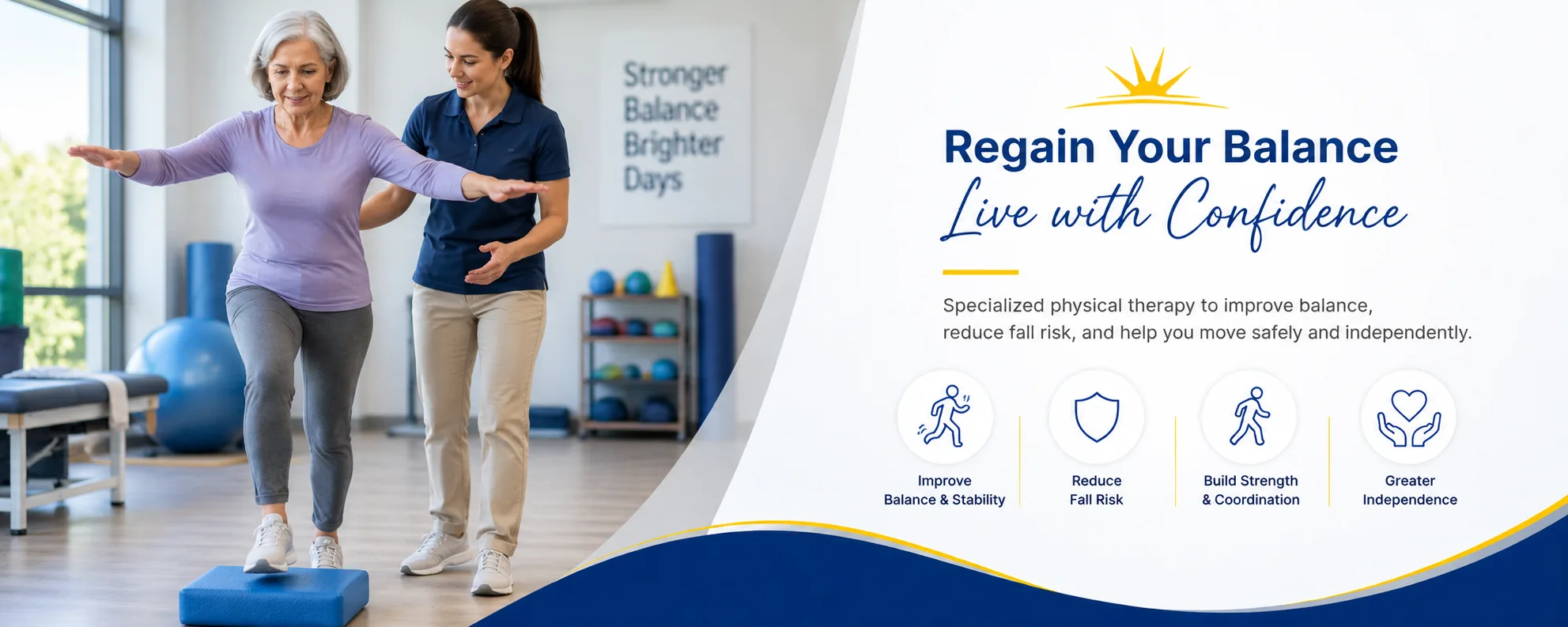
Balance Disorder Treatment in Munster, IN, Evergreen Park, IL, & South Chicago
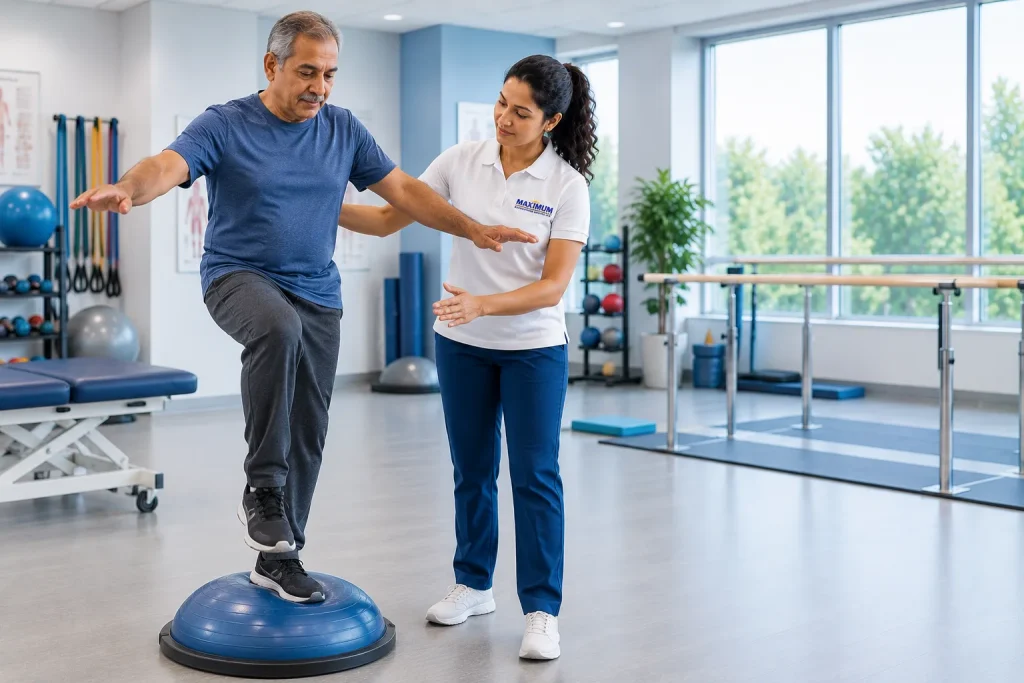
What Is Balance Disorder Treatment?
Balance disorder treatment is a personalized rehabilitation approach designed to help individuals improve stability, coordination, mobility, and confidence when balance difficulties interfere with everyday movement. Balance problems can make activities such as walking, turning, standing, using stairs, or moving across uneven surfaces feel less secure.
A structured balance disorder therapy program focuses on identifying functional limitations and developing practical strategies to improve safe movement. Depending on each person’s needs, rehabilitation may include balance exercises, strengthening, coordination activities, gait training, mobility work, and functional movement practice.
A personalized rehabilitation program may help patients:
- Improve balance and postural stability
- Increase confidence while standing and walking
- Improve coordination and movement control
- Strengthen muscles that support functional mobility



IN-NETWORK WITH LEADING INSURANCE PLANS








Coiditions & symptoms
What We Treat in Balance Rehabilitation
Our programs address balance-related movement limitations that may affect safety, independence, and participation in daily activities. Treatment is tailored to the patient’s symptoms, mobility, strength, coordination, activity level, and individual goals.
Symptoms We Address
- Unsteadiness while standing or walking
- Difficulty maintaining balance
- Frequent loss of stability during movement
- Difficulty walking on uneven surfaces
- Difficulty with turns or changes in direction
- Reduced coordination
- Lower-body weakness affecting stability
- Fear or reduced confidence with movement
- Difficulty performing everyday activities safely
Conditions We Treat
- General balance and stability difficulties
- Gait and mobility limitations
- Coordination and movement-control problems
- Balance challenges associated with weakness or deconditioning
- Difficulty with functional transfers and walking
- Reduced confidence during physical activity
- Movement limitations affecting daily independence
PROCESS OF
Your Care Journey With Maximum Rehabilitation Services
At Maximum Rehabilitation Services, we use an individualized process to understand your balance concerns, identify movement limitations, establish meaningful goals, and build a progressive rehabilitation program.
Comprehensive Evaluation
We assess balance, gait, strength, coordination, mobility, functional movement, and activities that are difficult or unsafe. Your therapist uses these findings to establish appropriate goals for rehabilitation.
Personalized Treatment Plan
Your therapist creates an individualized balance therapy program based on your symptoms, physical abilities, lifestyle, activity demands, and recovery goals.
Progressive Injury Rehabilitation
Treatment may include balance exercises, strengthening, gait training, coordination activities, mobility exercises, and functional tasks designed around your needs. Exercises are progressed as your stability and confidence improve.
Return to Function
We monitor your progress and adjust your rehabilitation program to support safer movement, improved confidence, and greater independence during everyday activities.
OUR APPROACH
Why Patients Choose Maximum Rehabilitation Services for Balance Disorder Treatment
Balance rehabilitation requires more than practicing a single exercise. Our approach considers how balance, strength, coordination, gait, and everyday movement work together so treatment can address practical functional needs.
01. Personalized Balance Care
Every rehabilitation program is customized according to your balance concerns, physical abilities, mobility level, lifestyle, and personal goals.
02. Individualized Physical Therapy
Our balance disorder physical therapy programs use appropriately selected exercises and functional activities to address stability, coordination, strength, and mobility.
03. Balance & Gait Training
Progressive balance and walking activities help patients practice stability and movement control in situations that relate to everyday function.
04. Strength & Coordination Training
Targeted exercises can address weakness and coordination limitations that may contribute to difficulty with standing, walking, transfers, and other functional movements.
05. Functional Mobility Support
Therapy focuses on practical movement skills, including turning, changing positions, walking, navigating surfaces, and completing everyday tasks with greater confidence.
06. Ongoing Rehabilitation Support
Your program is monitored and adjusted as you progress, helping address changing functional needs and supporting continued improvements in balance and independence.
Frequently Asked Questions
What balance disorder treatment services does Maximum Rehabilitation Services, LTD provide?
Maximum Rehabilitation Services, LTD provides individualized balance disorder physical therapy to improve balance,
coordination, mobility, walking safety, and functional independence.
Can physical therapy help balance disorders?
Yes. Balance rehabilitation can address strength, coordination, walking, postural control, and movement strategies that
may contribute to balance difficulties.
Does Dr. Mubarak Ali Mirjat, PT, DPT, provide balance disorder therapy?
Yes. Dr. Mubarak Ali Mirjat, PT, DPT, provides individualized balance therapy based on each patient’s symptoms,
mobility, physical abilities, and functional goals.
What causes balance problems?
Balance problems can have many causes, including inner-ear disorders, neurological conditions, weakness, vision
problems, medication effects, and musculoskeletal limitations. An appropriate evaluation helps identify contributing factors.
Why choose Maximum Rehabilitation Services, LTD for balance rehabilitation?
Maximum Rehabilitation Services, LTD provides personalized balance rehabilitation focused on improving stability,
mobility, coordination, and confidence during everyday activities.
Can balance therapy help reduce the risk of falls?
Balance and strength training may improve physical function and help reduce fall risk for appropriate patients.
Treatment is individualized according to each person’s abilities and needs.
Balance Disorders Therapy Near You
Conveniently located clinics providing expert care close to home.
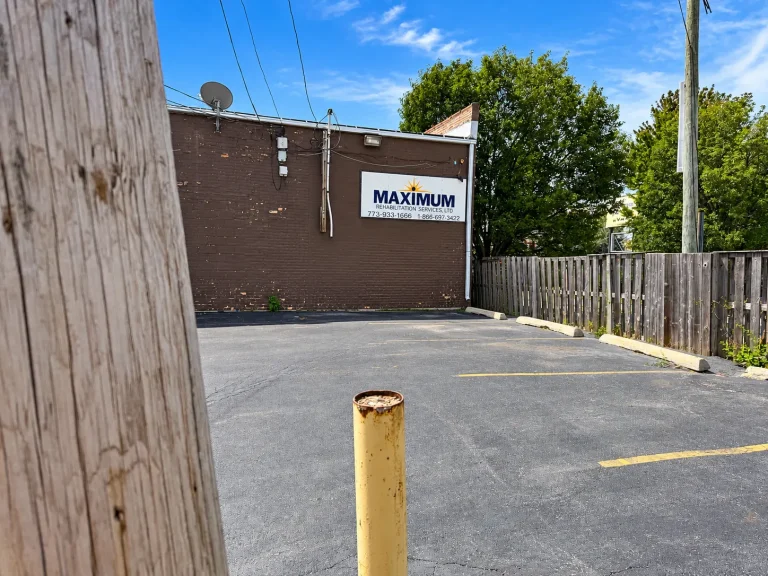
South Chicago, IL
Expert physical therapy care in the heart of Chicago . Convenient, accessible, and ready to help you move better.
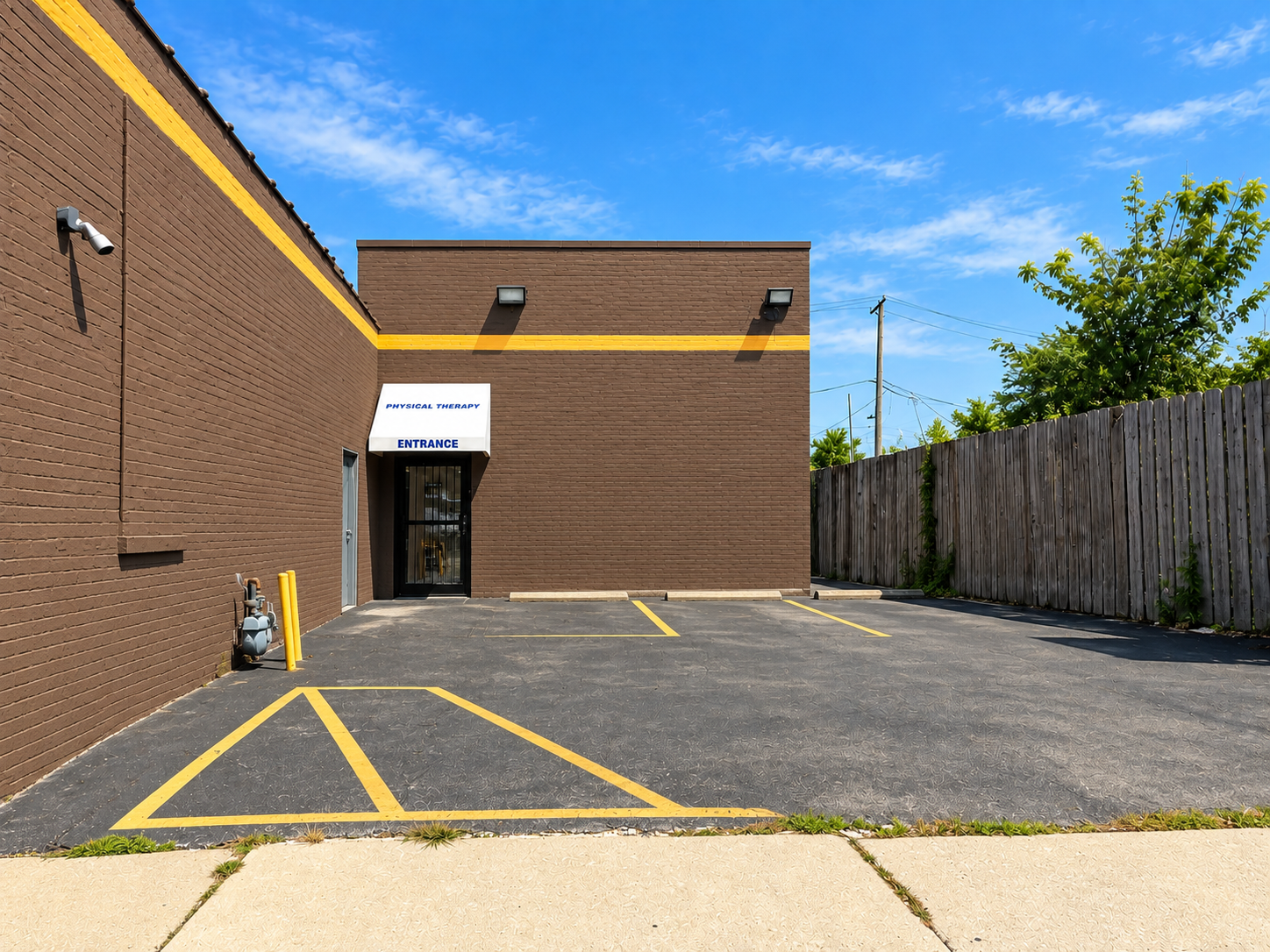
Evergreen park, IL
Personalised treatment plans in a welcoming environment. Get bact to an active, pain-free life
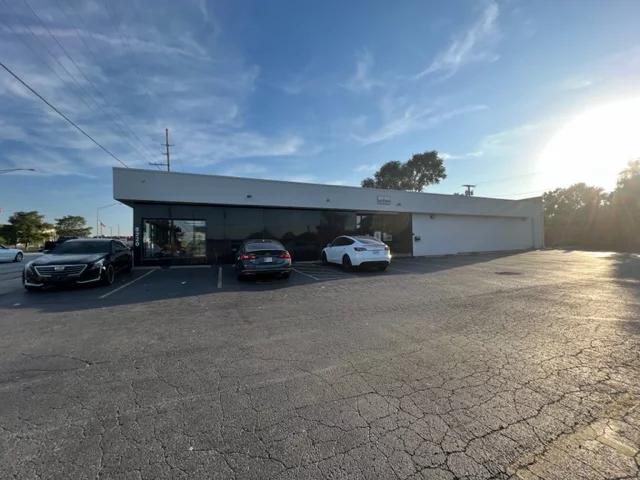
Munster, IN
Comprehensive physical therapy services for all ages and conditions