Low Back Pain Treatment in Munster, IN, Evergreen Park, IL, & South Chicago
What Is Sciatica Treatment?
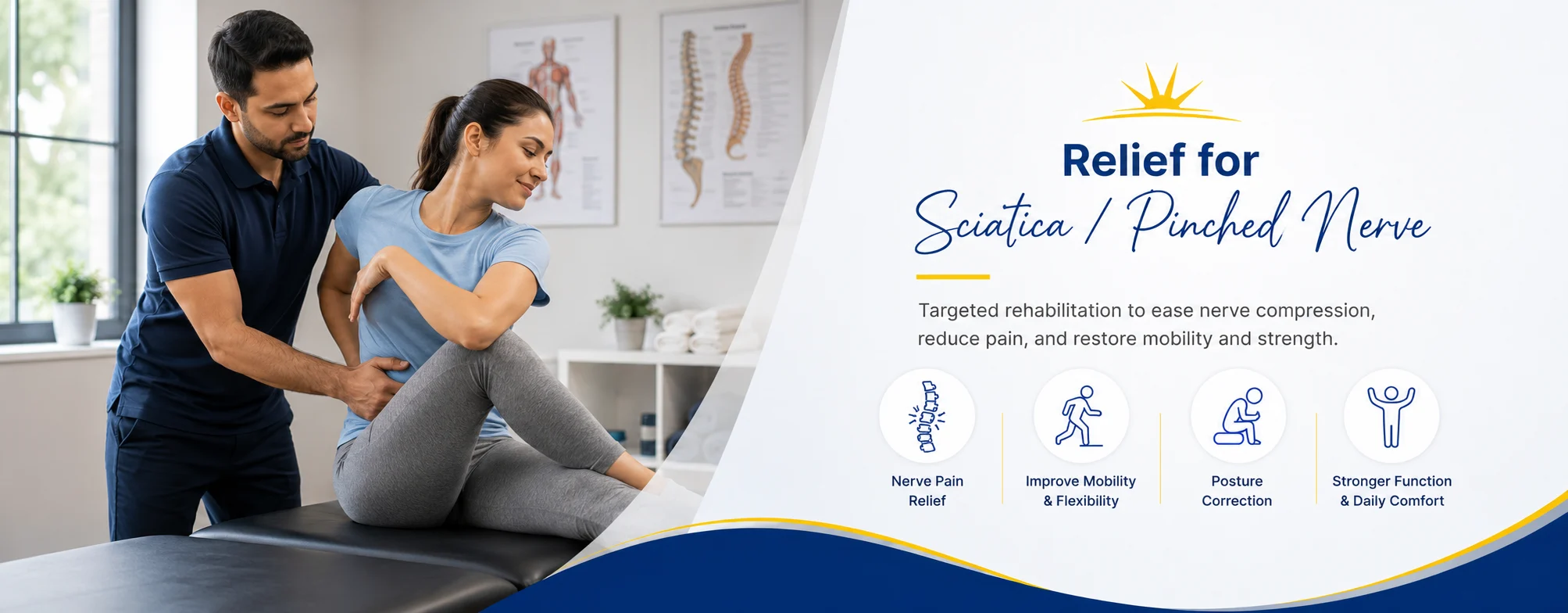
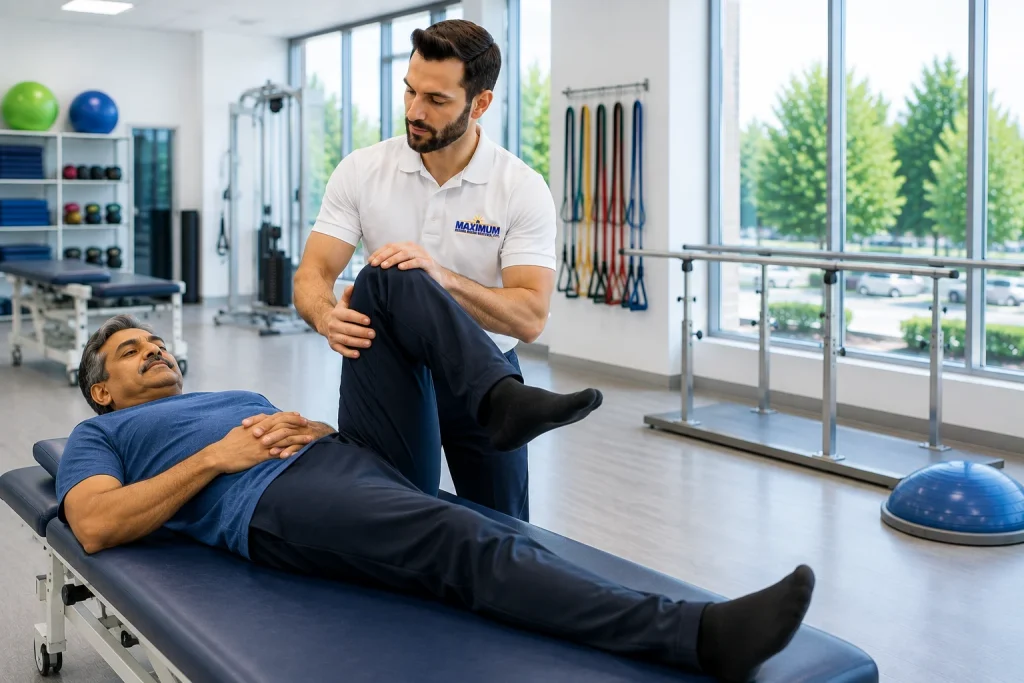
Sciatica treatment is a personalized physical therapy and rehabilitation approach designed to help people manage pain, numbness, tingling, stiffness, and weakness associated with irritation of the sciatic nerve. Symptoms may extend from the lower back or buttocks into the hip, thigh, leg, or foot and can interfere with sitting, standing, walking, work, exercise, and everyday activities. A structured rehabilitation program focuses on improving mobility, building supporting strength, addressing movement patterns, and developing practical strategies for safer daily movement. Treatment is tailored to the individual’s symptoms, physical abilities, lifestyle, and recovery goals.
A personalized program may help patients:
- Reduce lower-back, buttock, and leg discomfort
- Improve mobility, flexibility, and movement control
- Address weakness, stiffness, and functional limitations
- Improve posture and body mechanics
Our Experts
Physical Therapists



IN-NETWORK WITH LEADING INSURANCE PLANS







Coiditions & symptoms
What We Treat in Sciatica Rehabilitation
Our sciatica rehabilitation center provides individualized physical therapy support for people experiencing symptoms related to sciatic nerve irritation and associated lower-back or movement problems.
Symptoms We Address
- Sciatic nerve pain traveling into the buttock or leg
- Lower-back or buttock pain
- Numbness or tingling in the leg or foot
- Muscle weakness or reduced endurance
- Hip and lower-back stiffness
- Pain while sitting, standing, walking, or changing positions
- Difficulty bending, lifting, or maintaining comfortable movement
- Reduced mobility and flexibility
- Movement-related discomfort affecting daily activities
Conditions We Treat
- Sciatica and sciatic nerve irritation
- Symptoms associated with a pinched nerve
- Lower-back-related radiating pain
- Nerve-related numbness and tingling
- Lumbar mobility limitations
- Muscle weakness and movement imbalances
- Functional movement difficulties
- Activity limitations associated with nerve-related pain
Your Care Journey With Maximum Rehabilitation Services
Comprehensive Evaluation
We assess your pain pattern, mobility, flexibility, strength, posture, movement mechanics, and functional limitations.
Personalized Treatment Plan
Your therapist creates an individualized sciatica physical therapy program based on your symptoms, abilities, activity demands, and recovery goals.
Progressive Physical Therapy
Treatment may include mobility exercises, therapeutic strengthening, flexibility work, posture education, movement training, and functional activities selected for your needs.
Recovery, Function & Prevention
We monitor your response to treatment and adjust your rehabilitation program to support continued mobility, strength, confidence, and a safer return to normal activities.
Coiditions & symptoms
Why Patients Choose Maximum Rehabilitation Services for Sciatica Treatment
01. Personalized Sciatica Care
Every program is adapted to your symptoms, physical condition, lifestyle, activity level, and personal recovery goals.
02. Pinched Nerve Treatment Support
Our approach addresses movement restrictions, weakness, and functional factors associated with pinched nerve treatment, while keeping care specific to your presentation.
03. Evidence-Based Physical Therapy
Our sciatica physical therapy programs use appropriate therapeutic exercises and rehabilitation strategies to improve mobility, strength, flexibility, and function.
04. Strength & Mobility Training
Progressive exercises can target the core, hips, and lower body to support stability, movement control, and functional mobility.
05. Functional Rehabilitation
Therapists help you practice practical movement strategies for sitting, standing, walking, bending, lifting, and other everyday activities.
06. Comprehensive Nerve Pain Support
Our nerve pain treatment approach focuses on improving movement and function while helping patients manage symptoms associated with sciatica and related nerve irritation.
Real Reviews, Real Experiences
EXCELLENTTrustindex verifies that the original source of the review is Google. This is not only a great physical therapist but I also have come to call him my friend. I came here barely able to walk or move my shoulder after being hit by a forklift at work. Doc is working on my back and shoulder and legs has really brought me through a very difficult time. Thanks for focusing on me and my needs, I feel better. I know i still have some way to go but I'm glad I'm at maximum physical therapy Munster.Posted on GoogleTrustindex verifies that the original source of the review is Google. Great place great peoplePosted on GoogleTrustindex verifies that the original source of the review is Google. My experience with Maximum Rehabilitation Services was a overall great experience i was skeptical at first but it end up being a helpful experience for Rehabilitation to my Rotator Cuff injury. I would recommend to anyone that needs services. AJTPosted on GoogleTrustindex verifies that the original source of the review is Google. Good therapy excellentPosted on GoogleTrustindex verifies that the original source of the review is Google. So I thought maximum was the best place for me. It definitely was as far as working out and getting back to my full capacity. I’m very disappointed with my experience at Maximum Rehabilitation Center. Before starting treatment, I was told that they accepted my insurance. However, after everything was done, they still took a large portion of my settlement. I feel misled and taken advantage of, especially after I trusted their assurance about insurance coverage. I want other patients to be aware and to ask for everything in writing before agreeing to treatment here. I would definitely recommend them if u have money, but a person like me that expressed to the doc my situation, I can’t imagine what happenedPosted on GoogleTrustindex verifies that the original source of the review is Google. Completed my physical therapy for an Achilles tendon repair. The staff were extremely friendly and worked with me to make sure I was able to fully perform all daily functions and activities. I would definitely return for any future therapy that I need!Posted on GoogleTrustindex verifies that the original source of the review is Google. I had back problems he did an amazing job and I will refer him to anyonePosted on GoogleTrustindex verifies that the original source of the review is Google. I had a great experience the doctor was excellent and staff he put me on many equipment to work my kneesPosted on GoogleTrustindex verifies that the original source of the review is Google. Dr. Mabara is very attentive, understanding and patient. This is my 2nd time being in therapy. Another place, 1rst time around. Totally different experience this time. Have progressed alot more this time!. Highly recommend!Verified by TrustindexTrustindex verified badge is the Universal Symbol of Trust. Only the greatest companies can get the verified badge who has a review score above 4.5, based on customer reviews over the past 12 months. Read more
Frequently Asked Questions
What sciatica treatment does Maximum Rehabilitation Services provide?
Maximum Rehabilitation Services provides personalized physical therapy for sciatica focused on reducing pain, improving mobility, strengthening supporting muscles, and helping patients return to daily activities.
What is the fastest way to relieve sciatica pain?
Relief depends on the cause and severity of sciatica. Physical therapy, activity modification, targeted exercises, posture education, and other conservative treatments may help reduce symptoms and improve function.
How does physical therapy help with sciatica?
Physical therapy can help reduce sciatica symptoms by addressing mobility restrictions, muscle weakness, movement patterns, and spinal or hip mechanics. A therapist develops an individualized treatment plan based on the patient’s condition.
How long does sciatica take to heal?
Many cases of sciatica improve within several weeks with appropriate conservative care, but recovery time varies depending on the underlying cause, severity, and individual health factors .
Can Maximum Rehabilitation Services help with a pinched nerve causing sciatica?
Yes. Our physical therapists can evaluate movement, strength, flexibility, and functional limitations associated with sciatica or suspected nerve irritation and create a rehabilitation program tailored to the patient’s needs.
What exercises are good for sciatica?
Depending on the cause of your symptoms, a physical therapist may recommend exercises for flexibility, core strength, hip mobility, and posture. Exercises should be selected based on your condition rather than using the same routine for everyone.
Low Back Pain Therapy Near You
Conveniently located clinics providing expert care close to home.
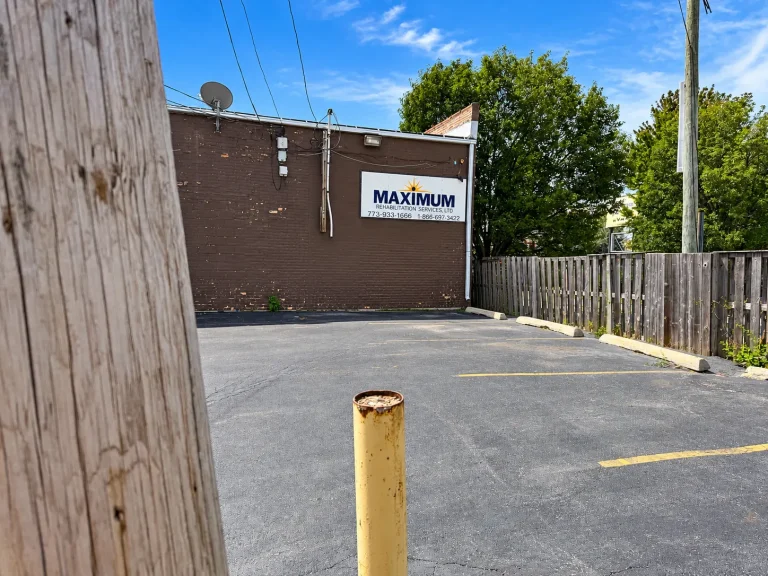
South Chicago, IL
Expert physical therapy care in the heart of Chicago . Convenient, accessible, and ready to help you move better.
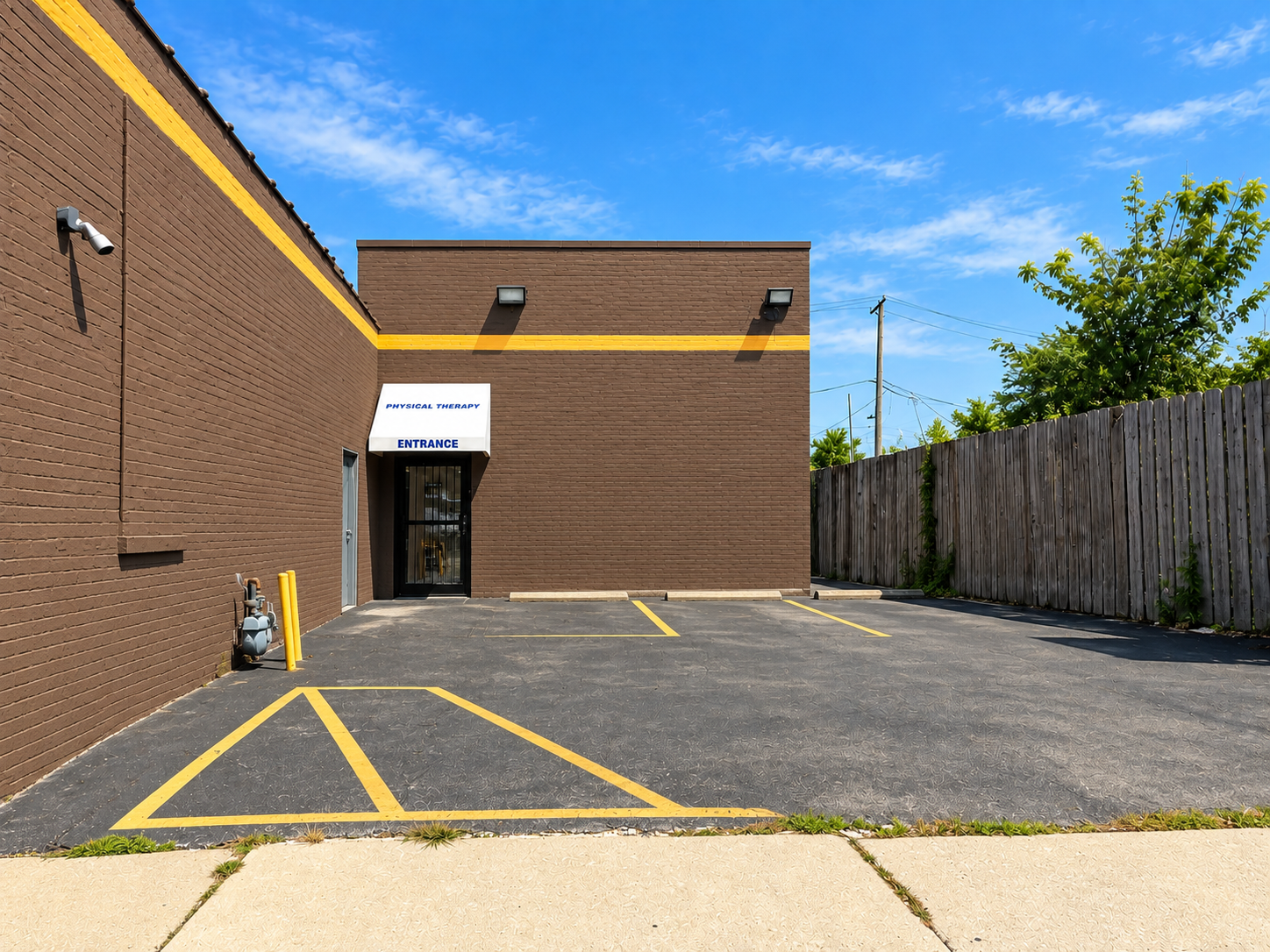
Evergreen park, IL
Personalised treatment plans in a welcoming environment. Get bact to an active, pain-free life
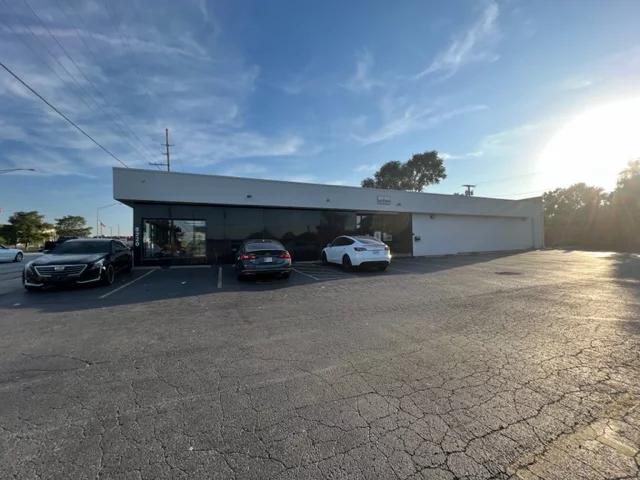
Munster, IN
Comprehensive physical therapy services for all ages and conditions