
Whiplash Injury Treatment in Munster, IN, Evergreen Park, IL, & South Chicago
What Is Whiplash Injury Treatment?
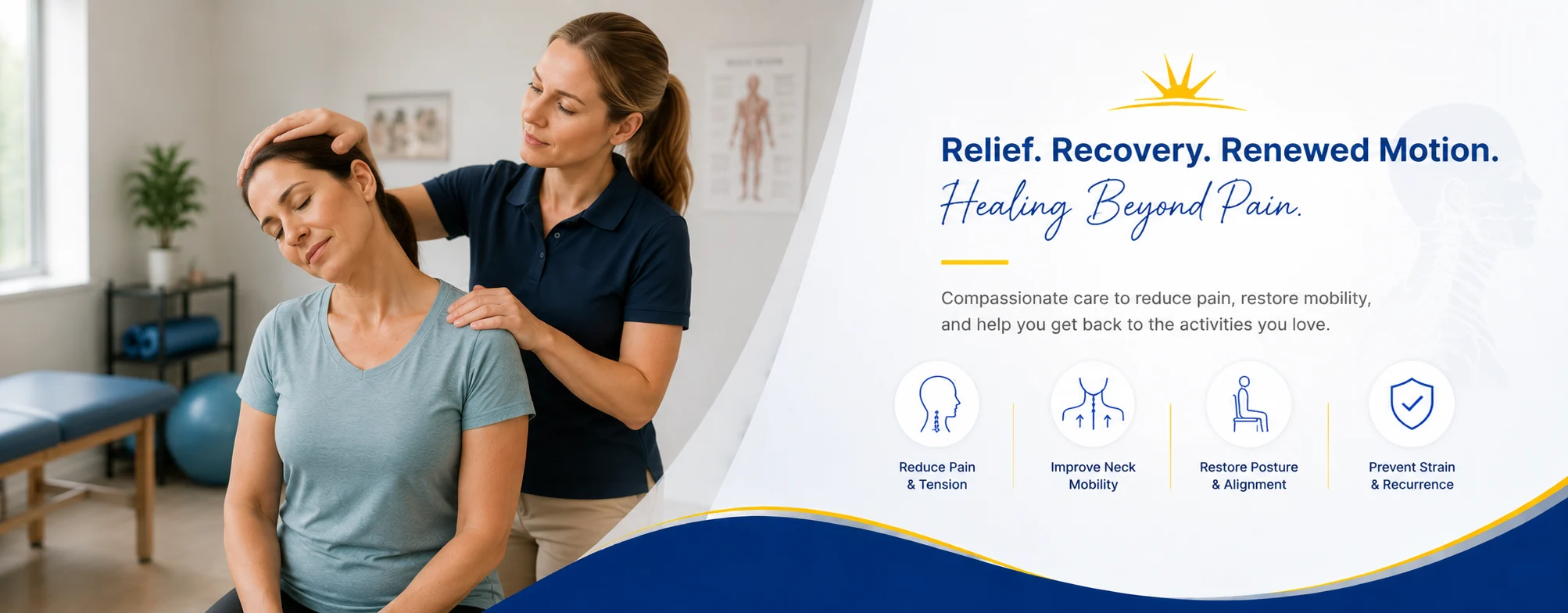
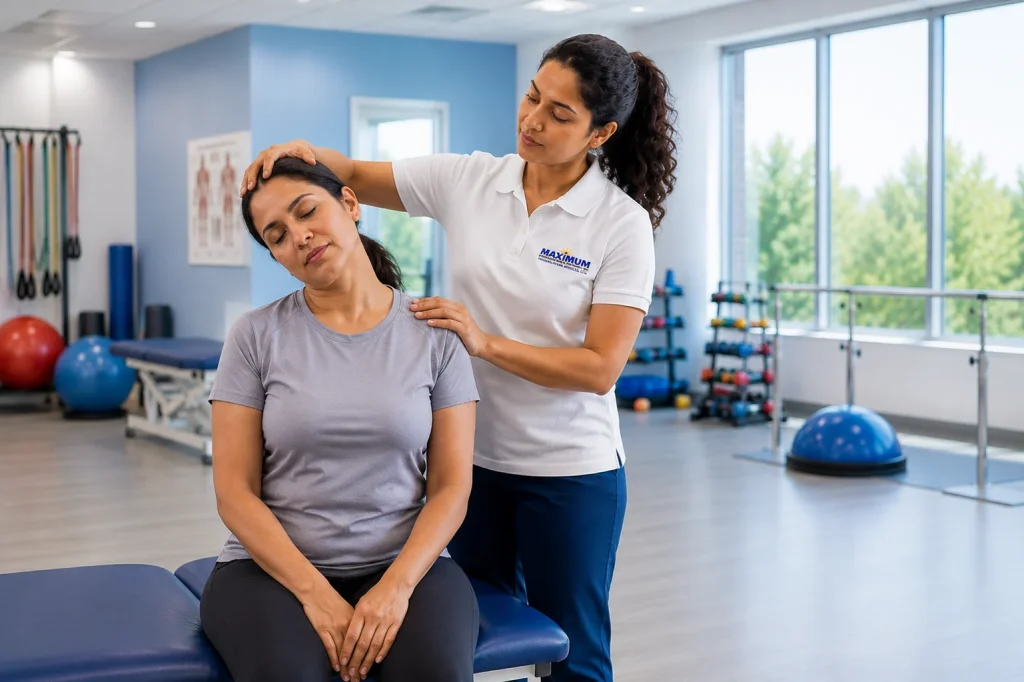
Whiplash injury treatment is a personalized physical therapy and rehabilitation approach designed to help individuals
recover from neck pain, stiffness, reduced mobility, and movement-related discomfort following a sudden forceful
movement of the head and neck. Whiplash commonly occurs after motor vehicle accidents, but it can also result from
other impacts or injuries.
A structured whiplash physical therapy program can focus on restoring comfortable neck movement, improving
strength and mobility, addressing postural and movement limitations, and helping patients gradually return to normal
daily activities. Treatment is individualized according to symptoms, injury severity, physical findings, and recovery
goals.
A personalized rehabilitation program may help patients:
- Reduce neck pain and stiffness
- Improve cervical and upper-body mobility
- Restore flexibility and range of motion
- Improve neck, shoulder, and upper-back strength



IN-NETWORK WITH LEADING INSURANCE PLANS







Coiditions & symptoms
What We Treat in Whiplash Rehabilitation
Our whiplash rehabilitation programs are designed to address common symptoms and functional limitations following
a whiplash injury. Each treatment plan is customized according to the patient’s symptoms, physical condition, activity
demands, and recovery goals.
Symptoms We Address
- Neck pain and soreness
- Neck stiffness and reduced mobility
- Muscle tightness or tension
- Pain with turning or moving the head
- Shoulder and upper-back discomfort
- Headache-related neck or muscle tension
- Reduced neck and upper-body strength
- Difficulty with prolonged sitting or computer work
- Pain or stiffness with driving or everyday movement
- Reduced confidence returning to normal activities
Conditions We Treat
- Whiplash injuries
- Neck pain following a car accident
- Motor vehicle accident-related neck injuries
- Soft tissue injuries affecting the neck and upper back
- Post-accident neck stiffness and mobility limitations
- Muscle strains and sprains associated with whiplash
- Postural and movement limitations following an accident
- Functional difficulties related to neck pain and reduced mobility
PROCESS OF
Your Care Journey With Maximum Rehabilitation Services
Every patient follows a personalized, five-stage pathway from initial evaluation to
independent, confident walking.
Comprehensive Evaluation
We assess your pain, neck mobility, posture, strength, flexibility, movement patterns, functional limitations, and activity demands to understand how the injury is affecting your daily life.
Personalized Treatment Plan
Your therapist develops an individualized car accident whiplash treatment program based on your symptoms, physical findings, abilities, lifestyle, and recovery goals.
Progressive Whiplash Therapy
Treatment may include therapeutic exercises, mobility training, strengthening, flexibility work, posture education, movement retraining, and functional activities. Exercises are progressed according to your response and recovery.
Return to Function
We monitor your progress and gradually advance your whiplash rehabilitation program to help you return to driving, work, exercise, household activities, and other daily tasks as appropriate.
OUR APPROACH
Why Patients Choose Maximum Rehabilitation Services for Whiplash Injury Treatment
Our lower-limb rehabilitation programs in Chicago, Evergreen Park and Munster address the
full range of amputee patient needs, from early post-surgical recovery through advanced
prosthetic mobility.
01. Personalized Whiplash Care
Every treatment plan is tailored to your symptoms, physical abilities, lifestyle, activity requirements, and individual recovery goals.
02. Specialized Whiplash Physical Therapy
Our whiplash physical therapy programs focus on improving neck mobility, strength, posture, movement control, and functional activity.
03. Pain & Mobility Management
Appropriate therapeutic exercises and rehabilitation techniques can help address pain, stiffness, muscle tension, and movement limitations.
04. Neck & Upper-Body Strength Training
Progressive exercises can help improve the strength and endurance of the neck, shoulders, and upper-back muscles as recovery progresses.
05. Functional Movement Training
Our therapists help you practice practical movement strategies for activities such as sitting, turning, driving, working, lifting, and exercising.
06. Comprehensive Rehabilitation Support
From your initial evaluation through ongoing whiplash therapy and rehabilitation, we monitor your progress and adjust your treatment program as your needs change.
Frequently Asked Questions
What whiplash injury treatment services does Maximum Rehabilitation Services, LTD provide?
Maximum Rehabilitation Services, LTD provides individualized whiplash injury treatment focused on improving
mobility, strength, balance, physical function, activity tolerance, and independence when appropriate.
Can physical therapy help with whiplash injury?
Physical therapy and rehabilitation may help address movement limitations, strength, balance, mobility, pain-related
functional difficulties, or daily activity challenges depending on the condition and individual needs.
Does Dr. Mubarak Ali Mirjat, PT, DPT, provide rehabilitation for whiplash injury?
Yes. Rehabilitation is individualized based on symptoms, physical abilities, medical recommendations, functional
limitations, and personal goals.
How long does recovery or rehabilitation for whiplash injury take?
The timeline varies depending on the diagnosis, severity, healing or condition progression, overall health, and
individual response to rehabilitation.
Why choose Maximum Rehabilitation Services, LTD for whiplash injury treatment?
Maximum Rehabilitation Services, LTD provides patient-centered rehabilitation focused on safe, individualized
improvement in physical function and participation in daily activities.
What should I expect during treatment or rehabilitation for whiplash injury?
Treatment may include an evaluation, individualized exercise, mobility or strengthening activities, balance or
functional training, education, and a progressive plan based on appropriate precautions and goals.
Whiplash Injury Treatment Near You
Conveniently located clinics providing expert care close to home.
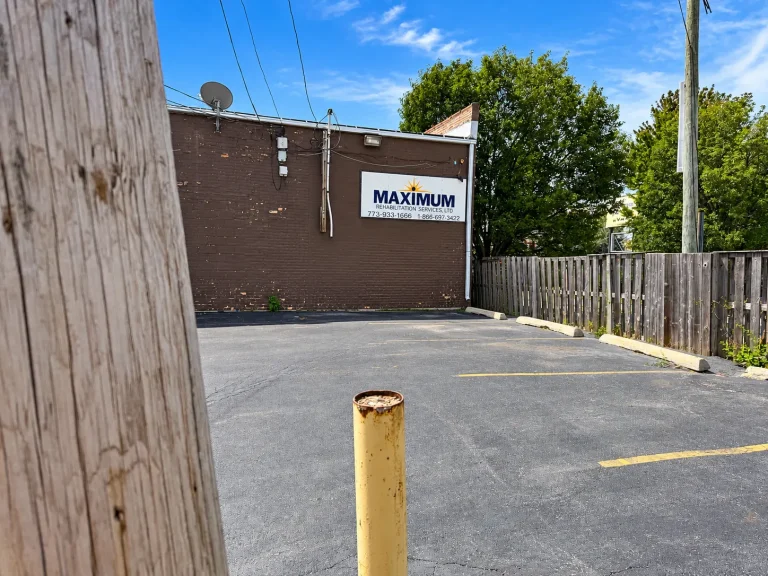
South Chicago, IL
Expert physical therapy care in the heart of Chicago . Convenient, accessible, and ready to help you move better.
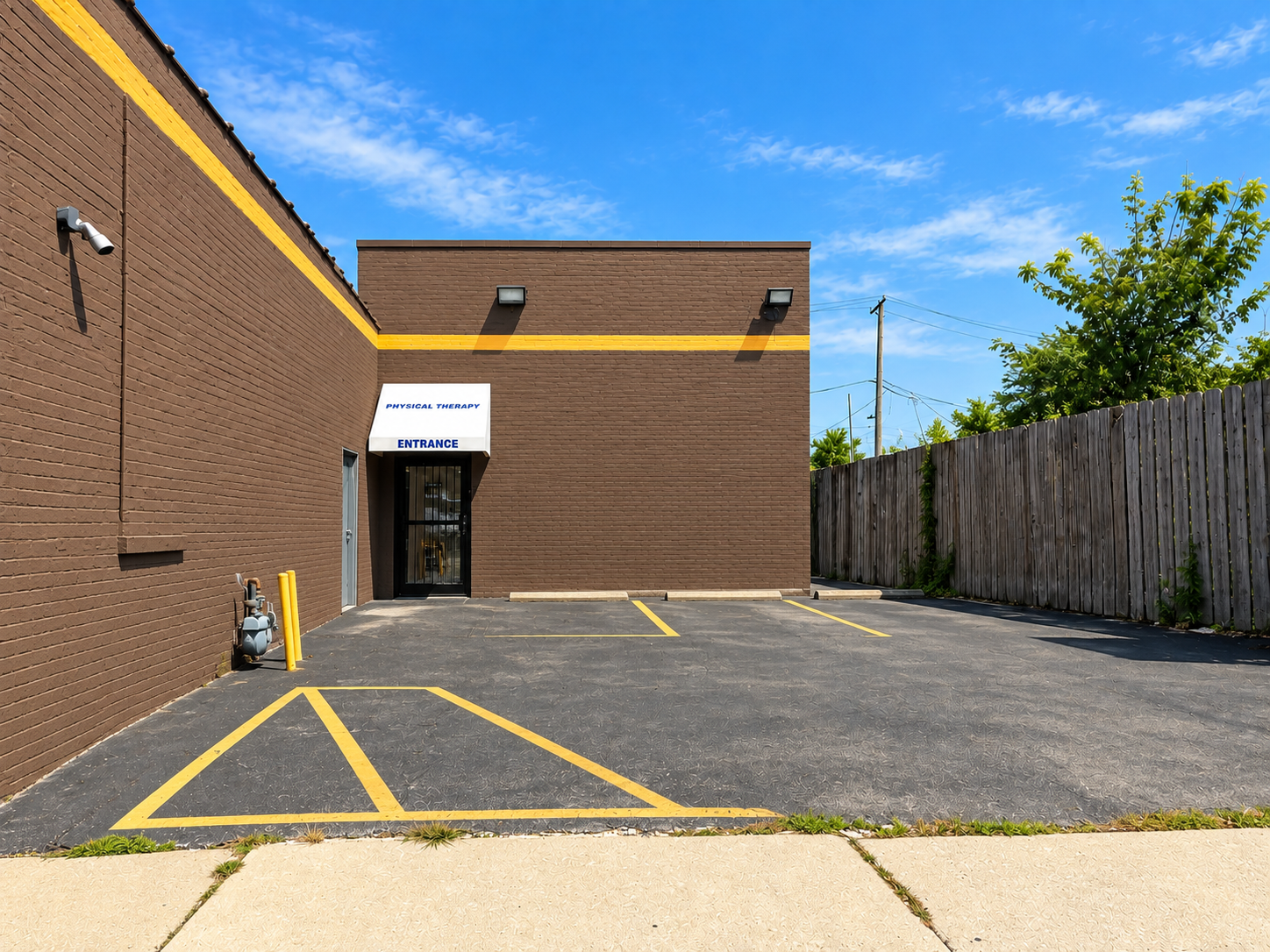
Evergreen park, IL
Personalised treatment plans in a welcoming environment. Get bact to an active, pain-free life
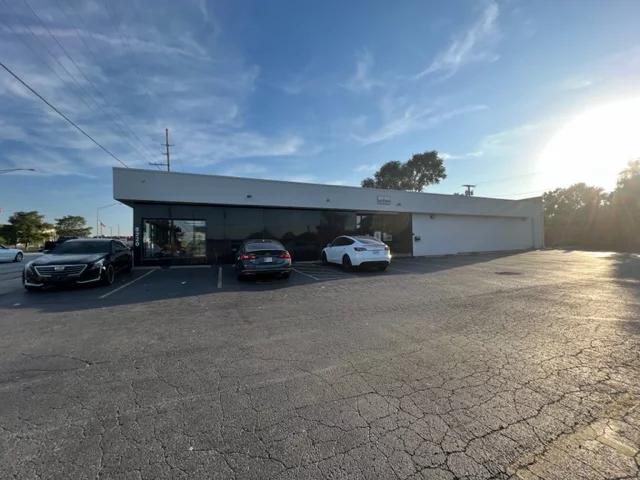
Munster, IN
Comprehensive physical therapy services for all ages and conditions